The First-Time Buyer’s Guide to New Construction: What Builders Won’t Tell You
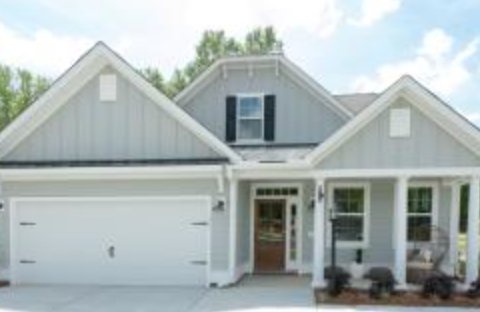
Walking into a shiny, pristine model home can feel like stepping into a dream. The sparkling quartz countertops, natural light streaming through flawless windows, and that fresh, brand-new scent make it easy to fall in love instantly.
Whether you are buying your very first home, transitioning out of a rental, or PCSing into a new station with a tight military schedule, new construction seems like an easy, stress-free choice: no hidden repair issues, no outdated appliances, and no weekend DIY projects right after moving in.
However, behind the polished design centers and friendly model home representatives lies a complex, business-driven process. Building a new home is vastly different from buying a resale house, and there are critical facts builder reps won't automatically volunteer.
Here is what every first-time buyer, renter-turned-homeowner, and military family needs to know before signing on the dotted line.
1. The Friendly Representative at the Model Home Works ONLY for the Builder
When you step into a sales office, the agent greeting you with a smile is warm, helpful, and knowledgeable. However, it is essential to remember one fundamental rule: they represent the builder’s financial interests, not yours.
Their mandate is to get the highest price and best terms for the construction company.
-
Why you need your own Buyer’s Agent: Having your own agent costs you nothing—the builder pays the real estate commission out of their standard marketing budget. Having representation ensures someone is negotiating on your behalf, auditing paperwork, and keeping the builder accountable throughout the entire build process.
-
Pro Tip: Bring your real estate agent with you on your very first visit to the model home. Many builders will refuse to let your agent represent you if they aren't present during your initial registration.
2. The Model Home Is Packed with $50,000+ in Upgrades
That stunning home you just toured? It is likely loaded with high-end options that do not come standard.
Builders showcase model homes with every bell and whistle—upgraded flooring, custom cabinetry, crown molding, built-in sound systems, and premium lot placements—to spark an emotional connection.
-
Ask for the Standard Features List: Before getting attached to what you see, ask for a detailed list of what comes standard with the base price.
-
Smart Upgrading: Focus your upgrade budget on items that are difficult or messy to change later (like structural options, electrical outlets, or extra bathroom plumbing). You can often save thousands by upgrading lighting, hardware, or backsplash tile yourself after closing.
3. Builder Preferred Lenders Come with Strings Attached
Builders often advertise enticing incentives—such as $10,000 toward closing costs or free design studio credits—if you use their preferred lender and title company.
While these incentives sound incredible (especially for first-time buyers trying to minimize out-of-pocket costs), preferred lenders aren't always offering the lowest interest rates or best loan terms.
-
Shop Around: Get quotes from independent mortgage lenders, local credit unions, or specialized military lenders (especially if you are utilizing a VA Loan). Compare the total cost of the mortgage over time against the builder's upfront incentive to ensure you are actually saving money.
4. Construction Timelines Are "Estimates," Not Promises
If you are moving out of an apartment or PCSing on a strict military timeline, construction delays can throw a major wrench into your plans. Weather supply chain disruptions, permitting holds, and labor shortages frequently push target completion dates back by weeks or months.
-
Plan for Flex Time: If your lease is ending, discuss month-to-month options or build a temporary housing buffer into your plan.
-
Watch the Rate Lock: Ensure your mortgage interest rate lock covers potential delays so you aren't hit with unexpected rate increases right before closing.
5. You Still Need an Independent Home Inspection
A common misconception is that brand-new homes are flawless. In reality, modern homes are built rapidly by multiple sub-contractors, and mistakes happen—pipes get missed, ductwork gets left unattached, or roof flashing isn't sealed properly.
City or county building code inspectors only check for minimum safety standards, not overall build quality.
-
Get a Phase Inspection: Hire an independent home inspector to conduct two key inspections:
-
Pre-Drywall Inspection: Checks framing, plumbing, and wiring before the walls are sealed.
-
Final Inspection: Conducted right before your final walkthrough to catch functional or cosmetic defects.
-
Ready to Build Your Dream Home with Confidence?
Navigating a new build doesn't have to be overwhelming. When you have an experienced advocate in your corner, you can enjoy the fun parts—choosing floor plans and picking finishes—while knowing your financial interests and timeline are protected every step of the way.
Whether you're looking to transition out of a lease, relocating on PCS orders, or purchasing your very first home, reach out today! Let’s discuss your goals and tour the best local communities together.
Recent Posts